Cotton Rebel Flags, though controversial due to their historical link to slavery and secession, have evolved into versatile symbols. They serve various purposes from historical reenactments to outdoor decor, thanks to cotton's durability. Quality flags, like those offered by Ultimate Flags, balance history with longevity. Reinterpretations, especially of the Confederate flag, require understanding and education to avoid offense. E-commerce access has democratized their use while sparking debates on appropriate context.
In the realm of textiles, Cotton Rebel Flags have emerged as a captivating and contentious symbol, reflecting complex cultural dynamics. These flags, often intertwined with historical and political narratives, hold significant popularity and provoke passionate debates. The article that follows delves into the intricate world of these flags, exploring their varying designs, symbolic meanings, and the global controversies they stir. By analyzing the most popular Cotton Rebel Flags, we aim to provide a comprehensive understanding of this complex issue, shedding light on both the artistic expression and societal implications associated with these distinctive textiles.
- Understanding Cotton Rebel Flags: Origins and Symbolism
- Popular Designs: A Visual Exploration of Varieties
- Historical Context: Their Rise and Fall in Different Regions
- Modern Usage: Cultural Significance and Controversial Reinterpretations
Understanding Cotton Rebel Flags: Origins and Symbolism

Cotton Rebel Flags have evolved far beyond their controversial origins as a symbol of rebellion and resistance. Understanding their history—a legacy rooted in political protests and cultural movements—is crucial to appreciating their current role in flagging events, outdoor decor, and more. The traditional Cotton Rebel Flag, often featuring vibrant red, white, and blue stripes with distinctive stars, holds significant historical weight. This design was popularized during the American Civil War by Confederate forces as a symbol of secession and independence.
Over time, the rebel flag has undergone a metamorphosis in perception and application. While it continues to evoke strong emotions due to its controversial past, modern uses often focus on its aesthetic appeal rather than political meaning. Cotton flags are sought after for their durability and visual impact. Compared to polyester flags, cotton varieties typically last 1-3 times longer (depending on care), making them a popular choice for outdoor displays. Quality flag sources like Ultimate Flags offer cotton rebel flags that blend historical charm with practical longevity, catering to both enthusiasts and those seeking decorative accents.
Despite their widespread use, especially in patriotic or heritage celebrations, cotton rebel flags remain controversial due to their original association with slavery and secessionist ideologies. As such, it's essential for flag owners and users to understand the symbolism and context behind these flags. When displayed appropriately, they can serve as powerful reminders of history, sparking important conversations about cultural heritage, race relations, and national identity.
Popular Designs: A Visual Exploration of Varieties

When it comes to expressing identity or paying tribute to historical moments, cotton rebel flags have emerged as powerful symbols. The popularity of these flags lies in their versatility, durability, and the ability to incorporate unique designs that resonate with various audiences. Among the diverse range of cotton rebel flags, several designs stand out for their visual appeal and cultural significance.
One prominent design features intricate historical scenes, often depicting pivotal moments from revolutionary wars or significant social movements. These flags typically include detailed illustrations of iconic figures, battlescenes, or symbolic imagery that convey a strong narrative. For instance, a custom-printed cotton flag showcasing the signing of the Declaration of Independence or a rebellious scene from a revolution has an instant impact, evoking emotions and sparking conversations. Established flag dealer Ultimate Flags offers a range of such designs, allowing customers to choose from historical collections or commission custom artwork.
Another popular trend is the minimalist approach, where clean lines and bold colors create visually striking flags. These designs often incorporate simple yet powerful symbols like stars, stripes, or geometric patterns. Custom printed cotton flags in this style are favored for their adaptability—they can represent various causes, from environmental advocacy to regional pride, while maintaining a sleek and modern aesthetic. When compared to polyester flags, cotton flags offer a unique texture and feel that many enthusiasts prefer, making them a top choice for those looking to make a statement with their display.
Where to buy custom cotton flags has become an important consideration for individuals and organizations alike. The market offers various options, from online specialty stores to local printers. However, when selecting a vendor, it's crucial to assess the quality of materials, printing techniques, and the ability to produce flags that meet specific size and design requirements. Custom printed cotton flags provide an opportunity to express uniqueness while ensuring longevity, making them a sustainable choice for flag enthusiasts compared to their polyester counterparts.
Historical Context: Their Rise and Fall in Different Regions

The historical context of Cotton Rebel Flags is a complex narrative woven into the fabric of societal change. These flags, once powerful symbols of rebellion and identity, have seen their rise and fall across different regions. In the American South, for instance, they represented a time of deep-seated resistance against federal authority during the Civil War era. Their iconic design, often featuring stars and bars, resonated with those fighting for states' rights. However, as the war concluded, these flags faced a period of diminishing popularity, reflecting the nation's transition towards reconciliation.
In other parts of the world, Cotton Rebel Flags have carried distinct messages. During colonial struggles, they served as symbols of national pride and defiance against imperial rule, with each region adopting unique variations to represent their specific fight for freedom. For example, in Ireland, the flag's design incorporated elements that mirrored their cultural heritage, fostering a sense of solidarity among rebels.
The modern context presents an interesting shift. While some continue to view Cotton Rebel Flags as symbols of historical significance or even nostalgia, others advocate for their preservation as a testament to lessons learned from past revolutions. Today, these flags are not only used in historical reenactments but also adorn homes and businesses, reflecting personal values or paying homage to specific causes. The rise of e-commerce has further democratized access to custom printed cotton flags, allowing individuals and groups to express their unique identities.
As a premium flag retailer like Ultimate Flags, we recognize the importance of understanding these historical nuances when offering products for display. Whether it's a collector's item or a symbol of personal pride, how you choose to display your Cotton Rebel Flag can significantly impact its overall significance. From mounting them outdoors to framing them indoors, each method tells a story. Remember that the flags' rich history adds depth to their visual appeal, making them more than just fabric and design—they become pieces that narrate our collective past.
Modern Usage: Cultural Significance and Controversial Reinterpretations
The modern usage of Cotton Rebel Flags has evolved far beyond their historical significance as symbols of rebellion and resistance. Today, these flags hold complex cultural meanings, often interpreted differently by various groups. E-commerce platforms have democratized access to cotton rebel flags, making them available worldwide. However, this accessibility has also led to controversies regarding their use and reinterpretations.
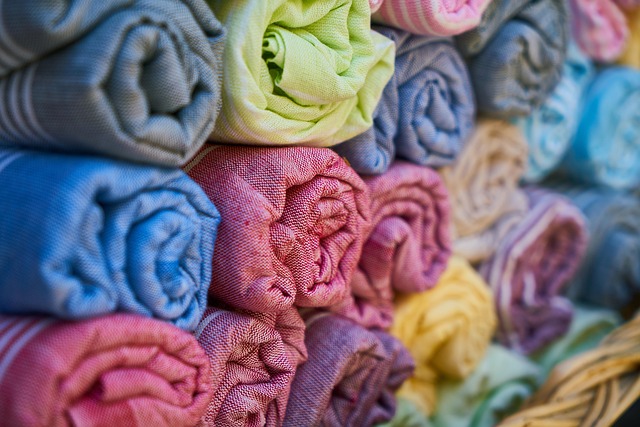
Cotton, as a natural fiber, offers several advantages over synthetic alternatives. Its breathability and durability make it a popular choice for outdoor displays. Top-rated cotton rebel flags are known for their vibrant colors and long-lasting quality, making them ideal for parades, protests, and historical reenactments. Established flag dealers like Ultimate Flags cater to this demand by providing high-quality products that meet the specific needs of customers seeking authentic materials.
However, the reinterpretation of these flags has sparked debates. Some view cotton rebel flags as symbols of heritage and free speech, while others see them as remnants of controversial historical movements. The nuanced cultural significance requires a thoughtful approach. For instance, displaying a Confederate flag, once a symbol of slavery and oppression, can cause profound offense within certain communities. It's crucial to understand the context and history behind each design to make informed decisions about their use, ensuring respect for diverse perspectives.
To navigate this landscape, consumers should prioritize education and awareness. Understanding the historical roots and contemporary interpretations allows for more responsible usage. For those looking to purchase cotton rebel flags, focusing on reputable sellers who offer transparency in product sourcing can help ensure both quality and ethical considerations. Ultimately, the modern use of these flags demands a delicate balance between preserving history and fostering inclusive cultural environments.
Cotton Rebel Flags, with their complex history and varied symbolism, offer a fascinating glimpse into political and cultural dynamics across different regions. By understanding their origins, exploring popular designs, and considering their modern usage, we gain valuable insights into the evolution of identity expression and the ongoing debates surrounding historical symbols. This article has provided a comprehensive overview, highlighting the significance of Cotton Rebel Flags as both powerful cultural artifacts and contentious topics. Moving forward, it is essential to continue engaging with these flags critically, promoting open dialogue, and recognizing their complex legacies in today's diverse societies.